
Biography
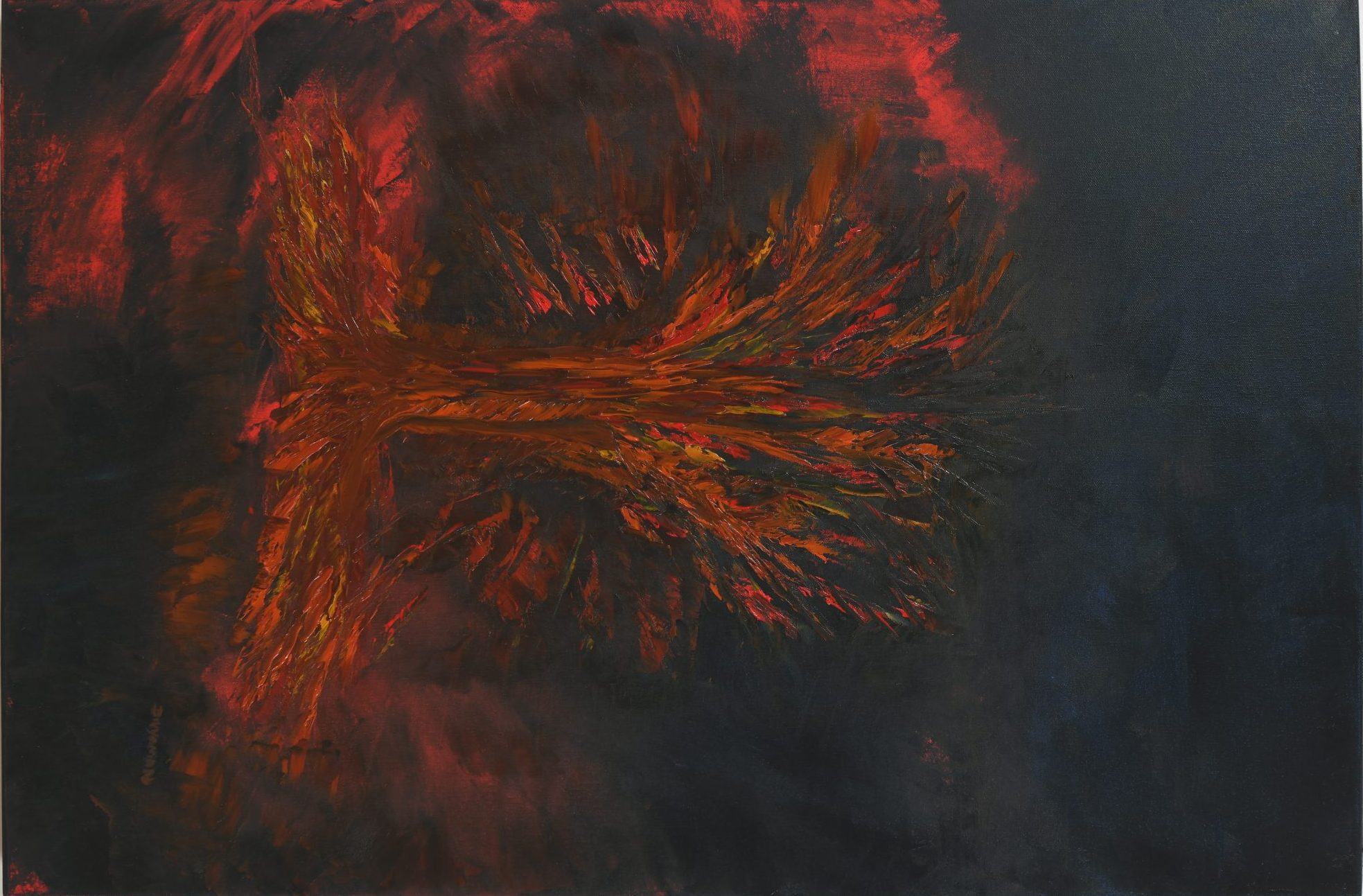
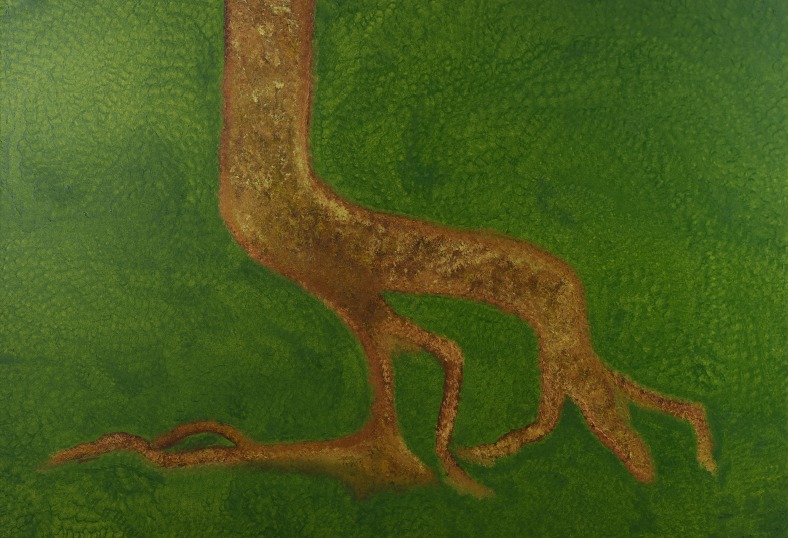
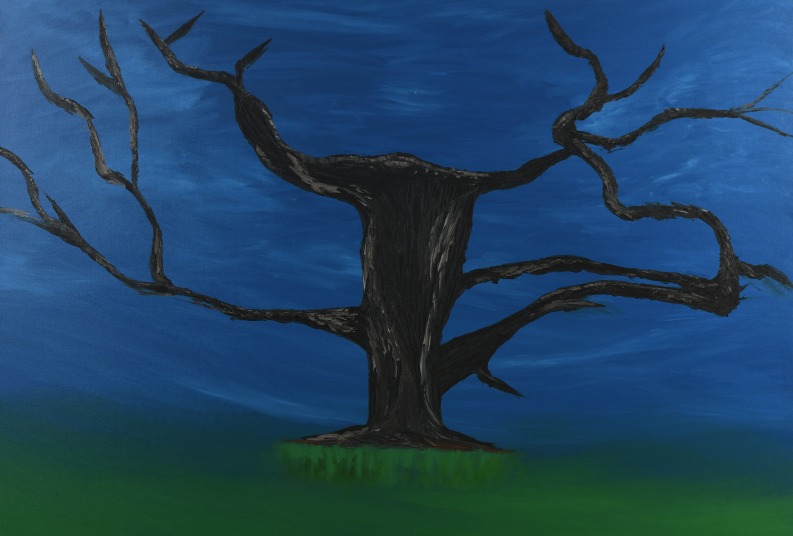
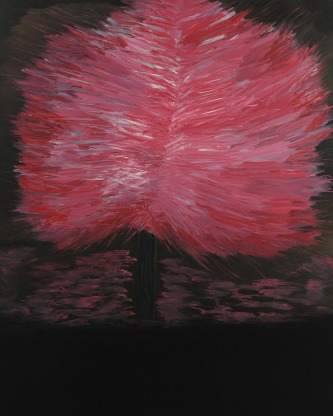
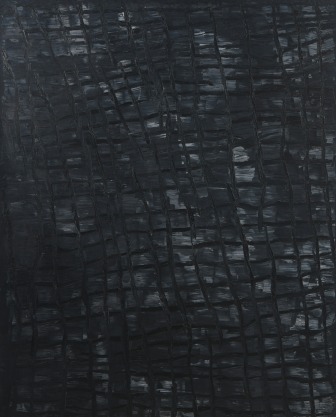
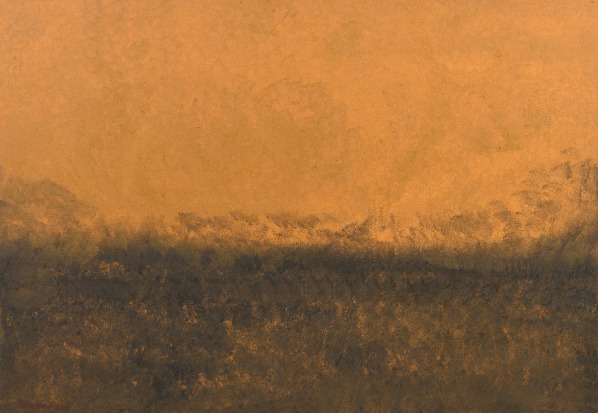
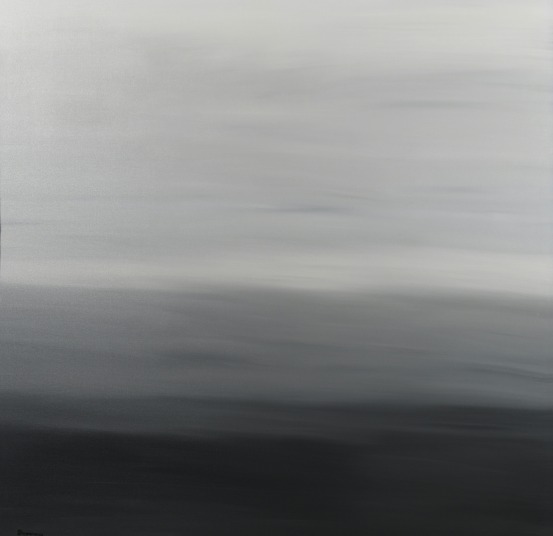
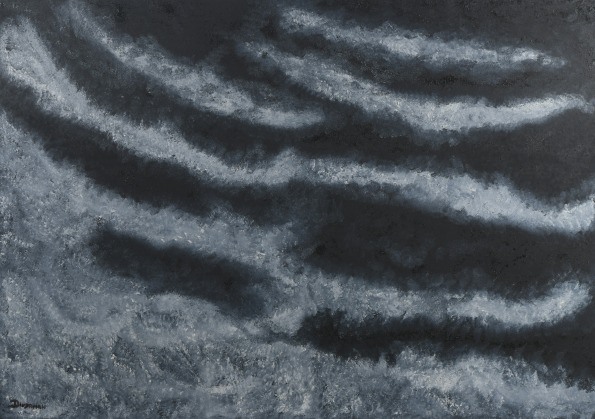
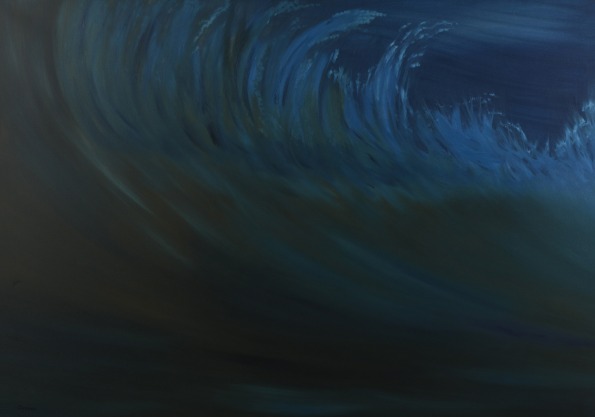
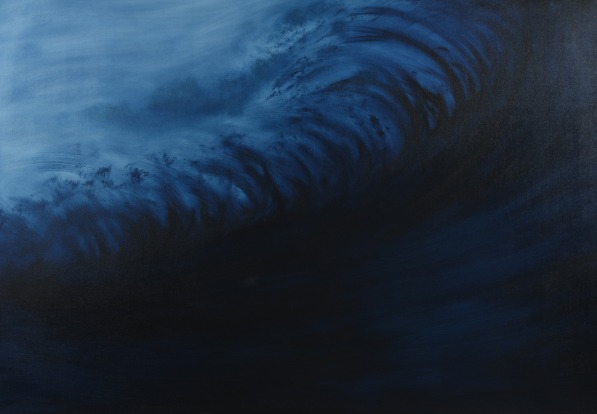
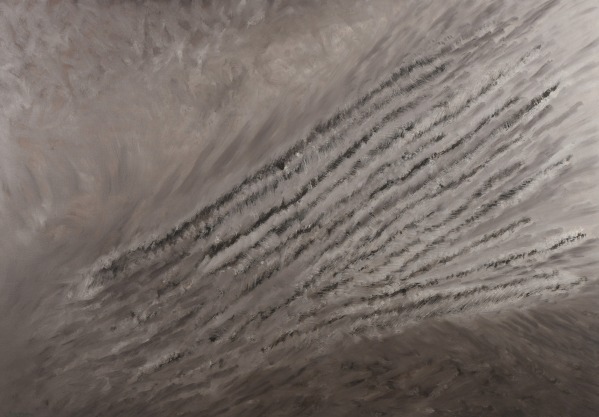
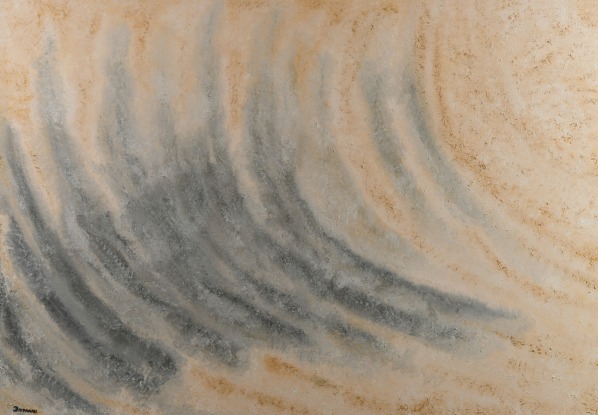
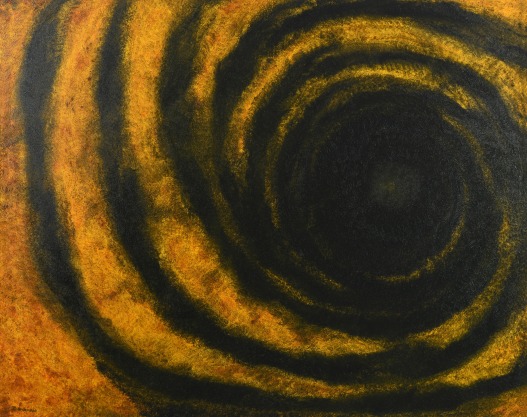
Divyaman Singh emerges as a singular voice in the field of abstract and contemporary art, weaving together an intuitive practice with a profound philosophical inquiry. A self-taught artist, Divyaman works primarily with oil on canvas, but what distinguishes his art is not the medium alone, rather his deeply tactile method of engagement. Employing bare hands, palette knives, linen cloth, and brushes, Singh collapses the distance between body and canvas. This physical immersion imbues his work with visceral textures and layered depth, offering viewers not merely an image but an encounter — one that bridges sensation, spirit, and thought.
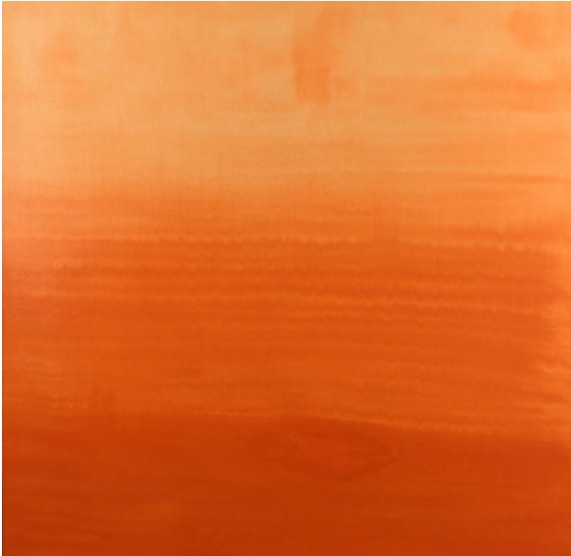
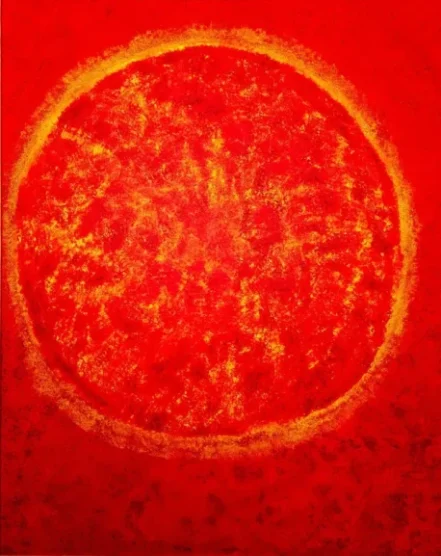
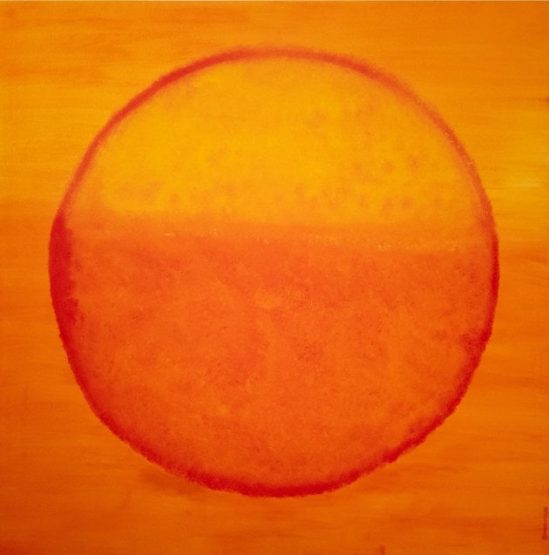
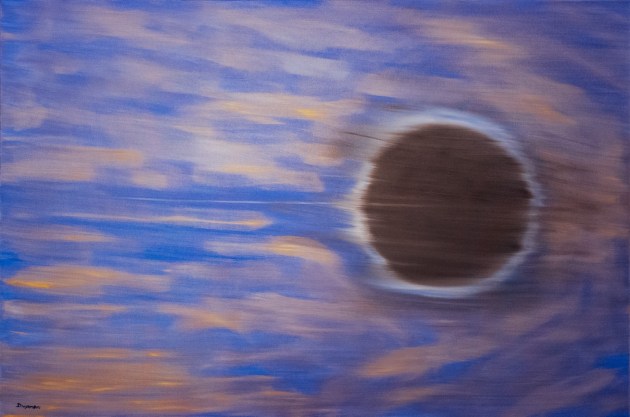
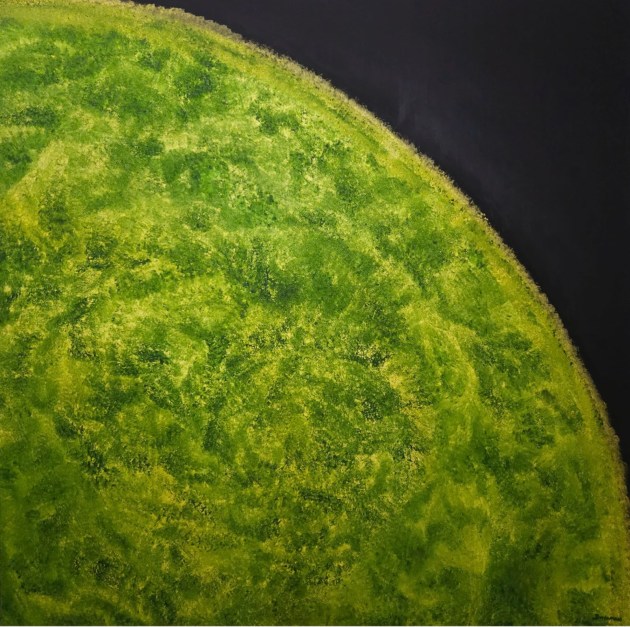
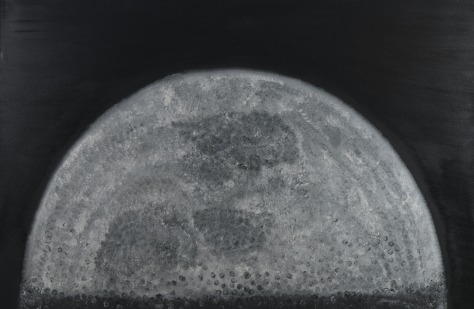
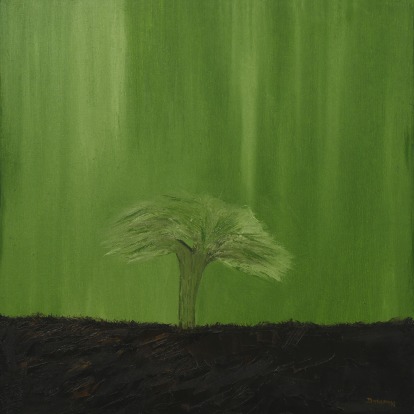
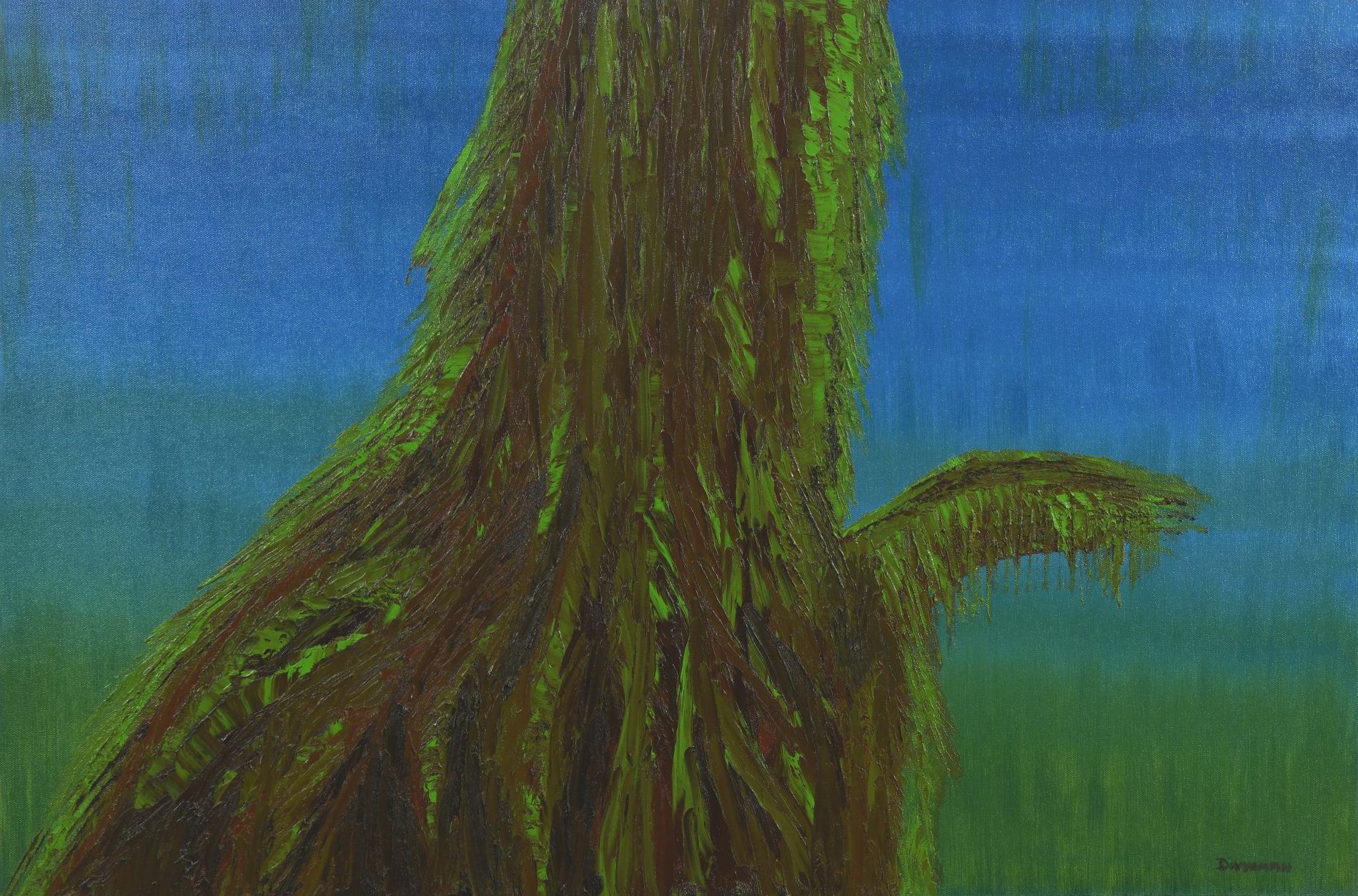
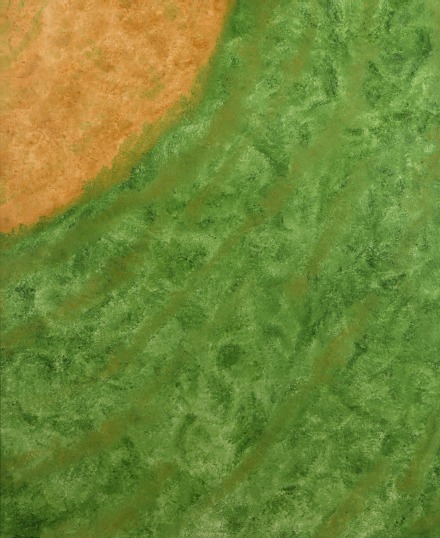
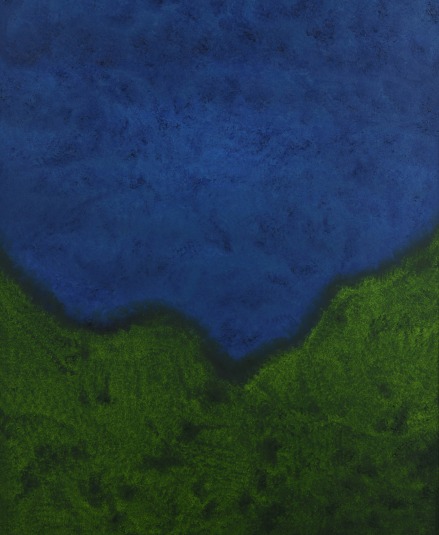
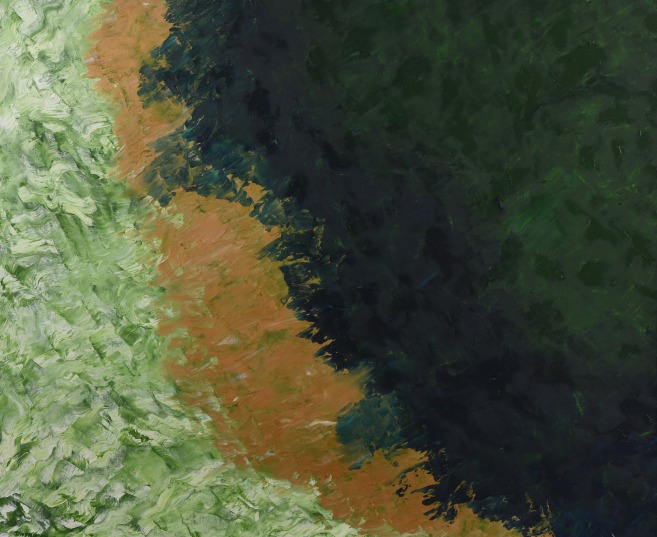
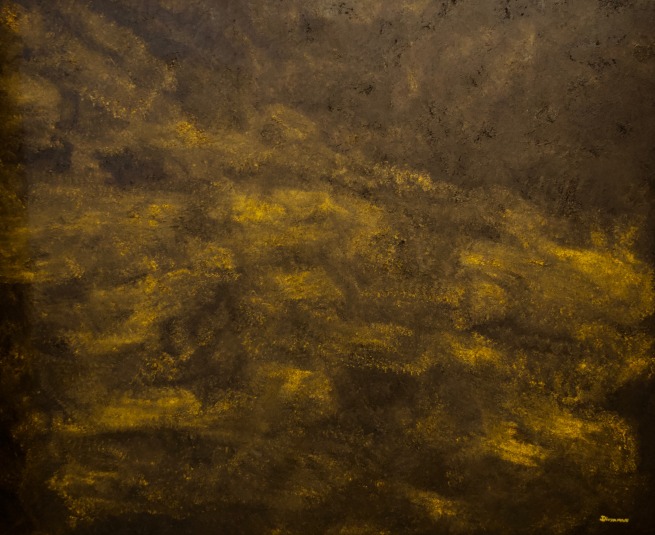
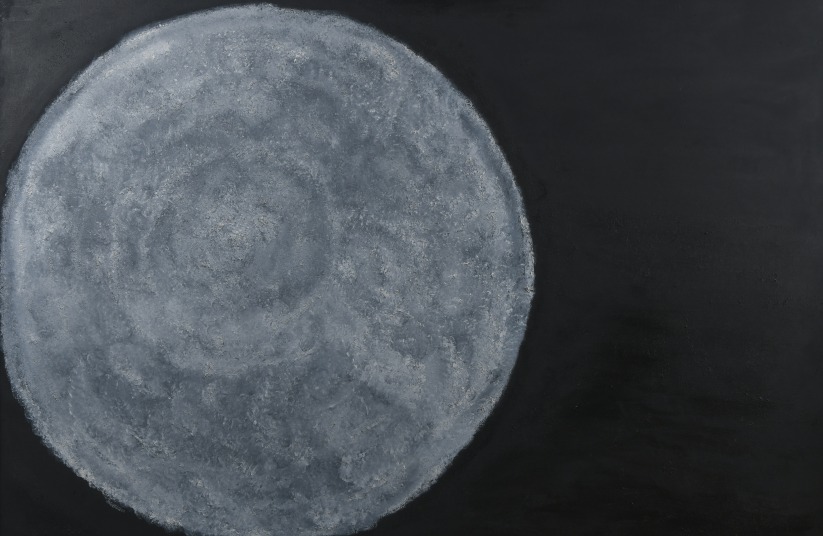
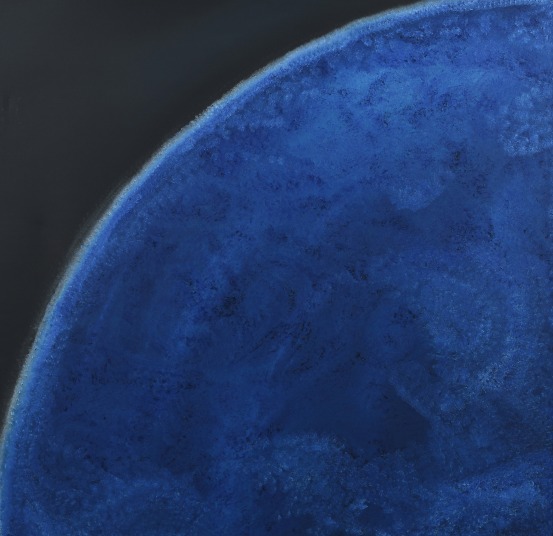
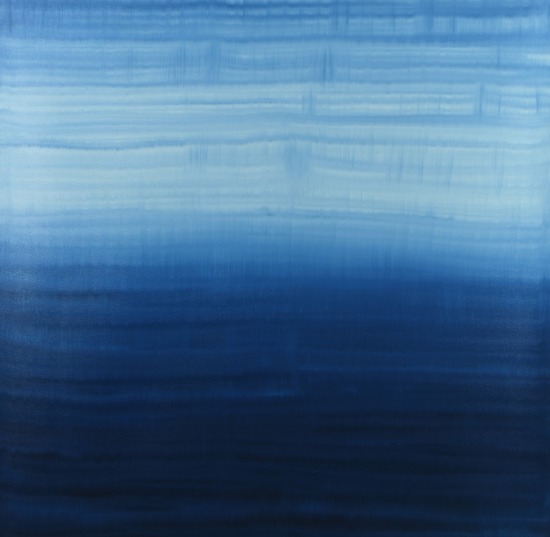
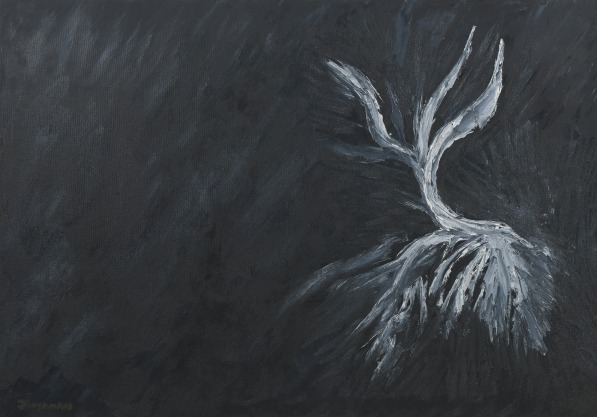
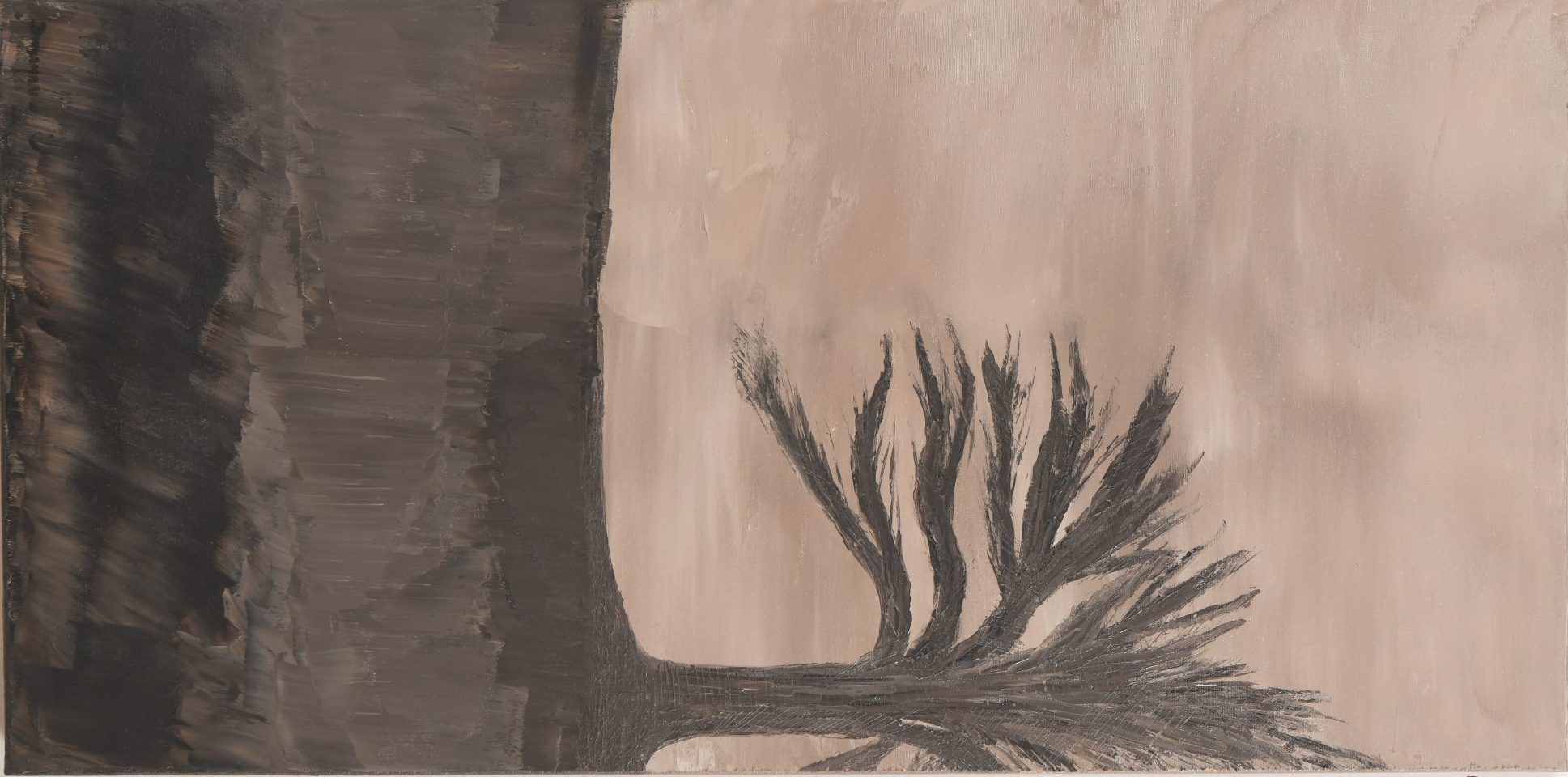
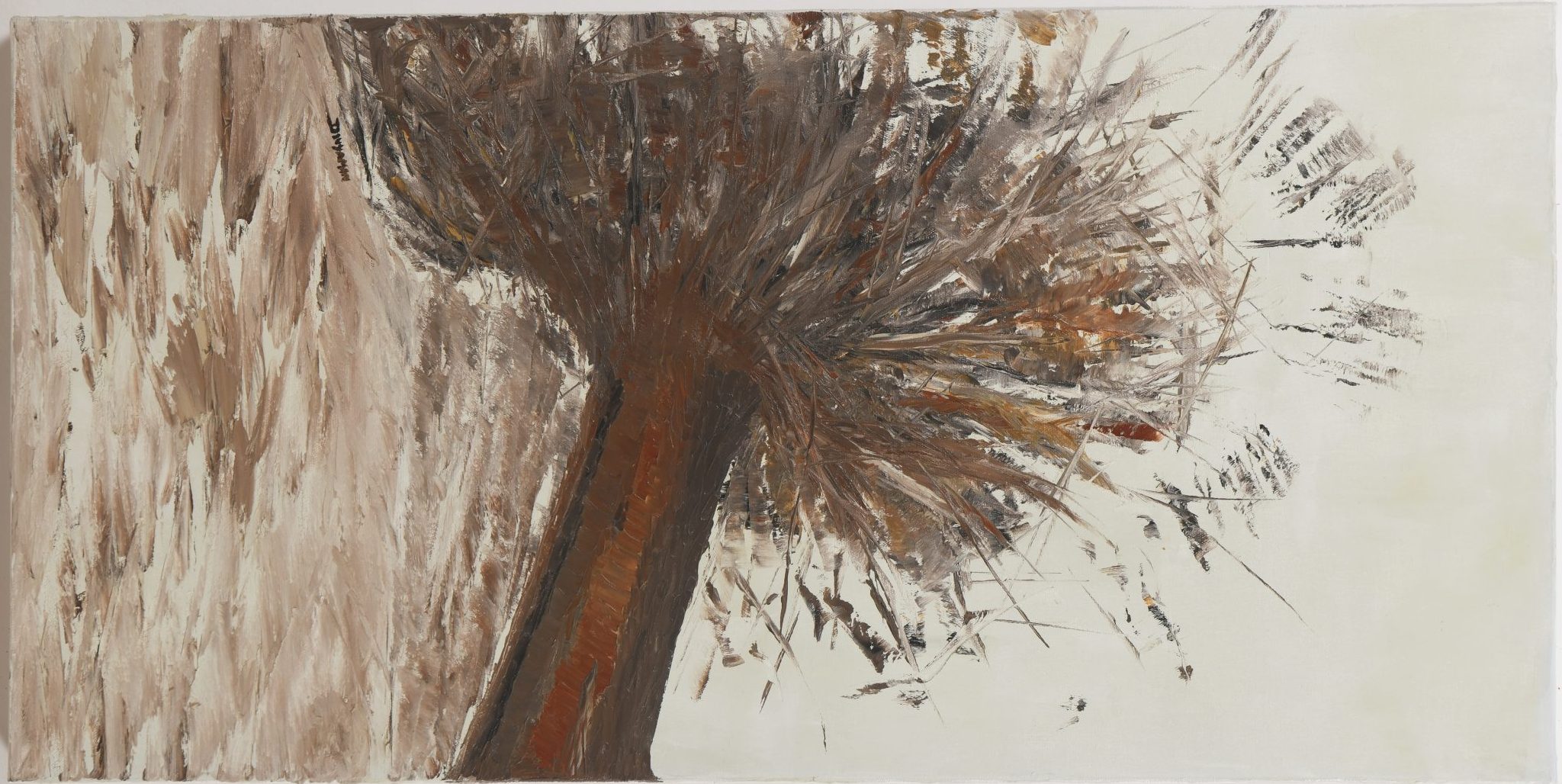
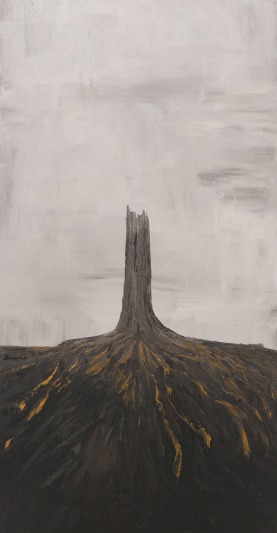
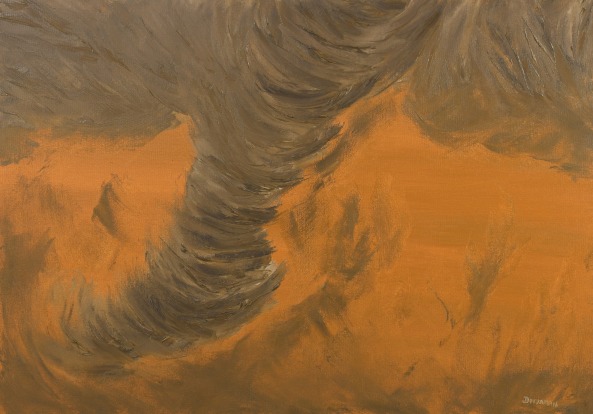
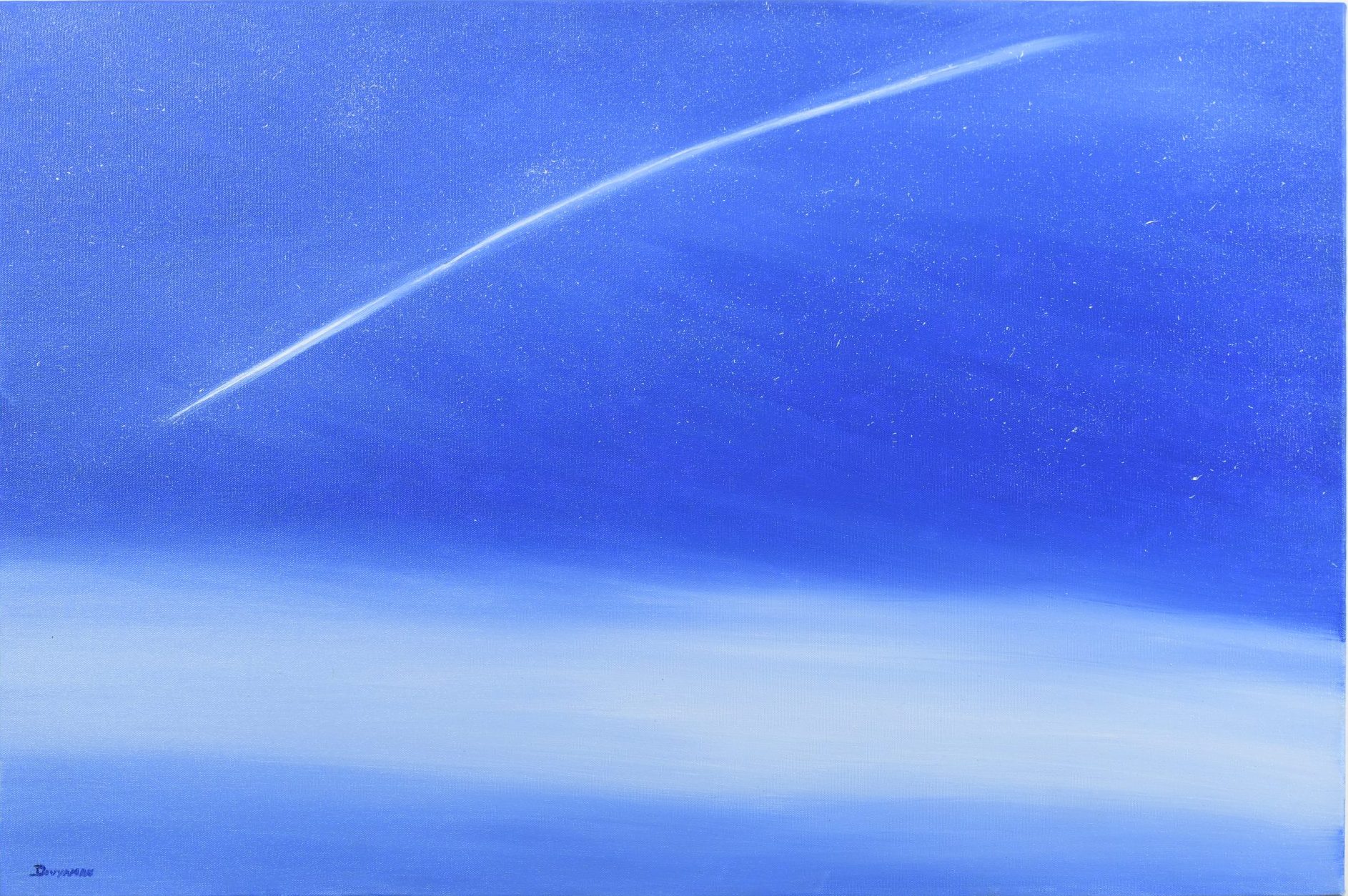
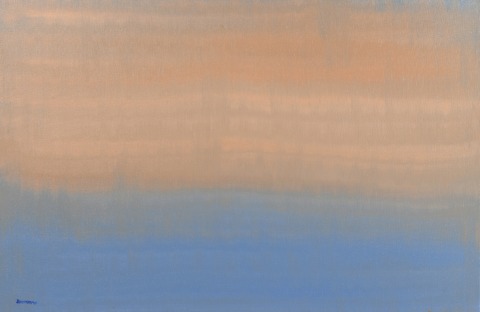
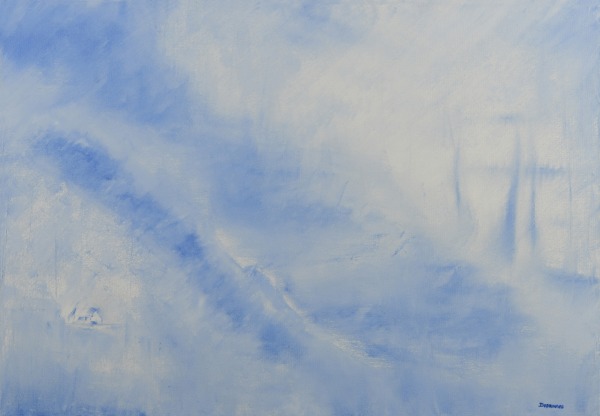
Divyaman’s restrained palette, often rooted in dual tones, reflects a deliberate discipline. This austerity allows him to strip away excess, pushing form and texture to the forefront, and compelling viewers to perceive emotion, movement, and cosmic resonance beyond colour. His canvases invite meditation on liminality — the tension between the seen and unseen, matter and void, the individual and the universal.
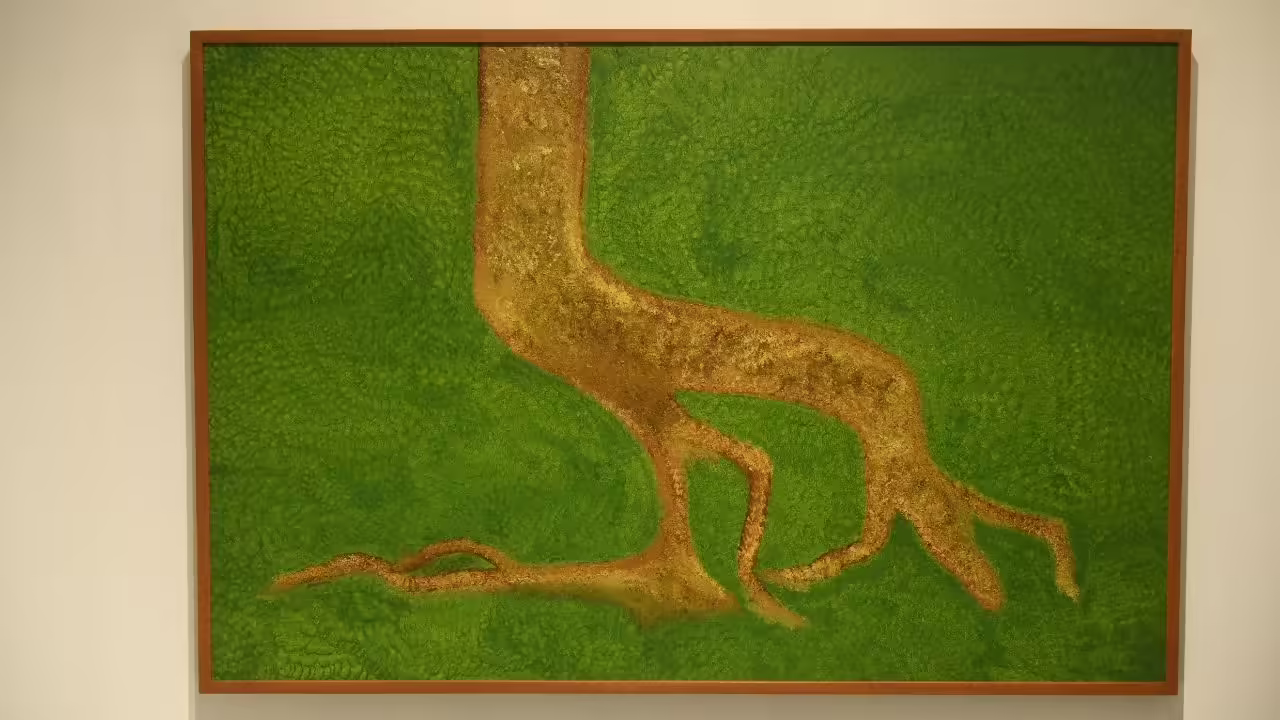
At the heart of his practice lies a deep-rooted dialogue with nature. Born and raised in Chaugain, in Bihar’s Buxar district, Singh’s sensibilities were shaped by the forests and mountains of his childhood. His art does not merely depict nature; it embodies its essence — organic, untamed, and cyclical. The tactile surfaces of his canvases echo geological formations, cosmic expanses, and spiritual terrains. In doing so, his work resonates with both indigenous Indian traditions of perceiving nature as sacred, and with global contemporary discourses around ecology, sustainability, and human belonging within the cosmos.
Divyaman’s artistic lineage further grounds his practice in history. He carries forward the legacy of his grandfather, Shri Awadhesh Kumar Singh, a parliamentarian and celebrated painter whose works were once displayed in India’s Parliament under the presidency of Dr. S. Radhakrishnan. This intergenerational connection provides a framework of continuity, where inherited sensibility intersects with Divyaman’s own bold explorations.
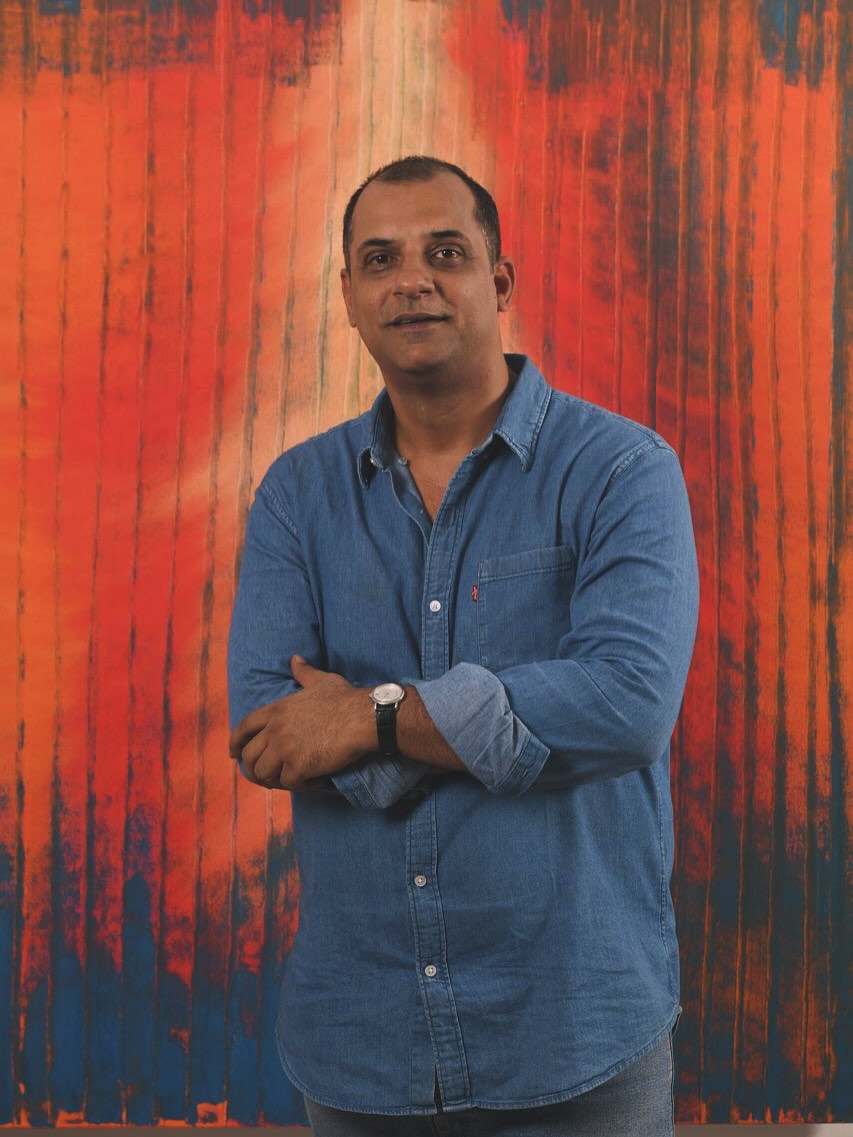
His works have been exhibited across India and Europe, finding audiences that respond to both their rooted authenticity and their universal themes. In the Indian context, Divyaman’s practice recalls aspects of the Bengal School’s spiritual idealism and the Santiniketan ethos of nature-bound creativity, while in the international frame, his engagement with materiality and abstraction converses with movements such as Art Informel, Abstract Expressionism, and contemporary eco-art practices. Yet, Singh resists easy categorisation; his canvases remain distinct for their emotive density, meditative quietude, and tactile immediacy.
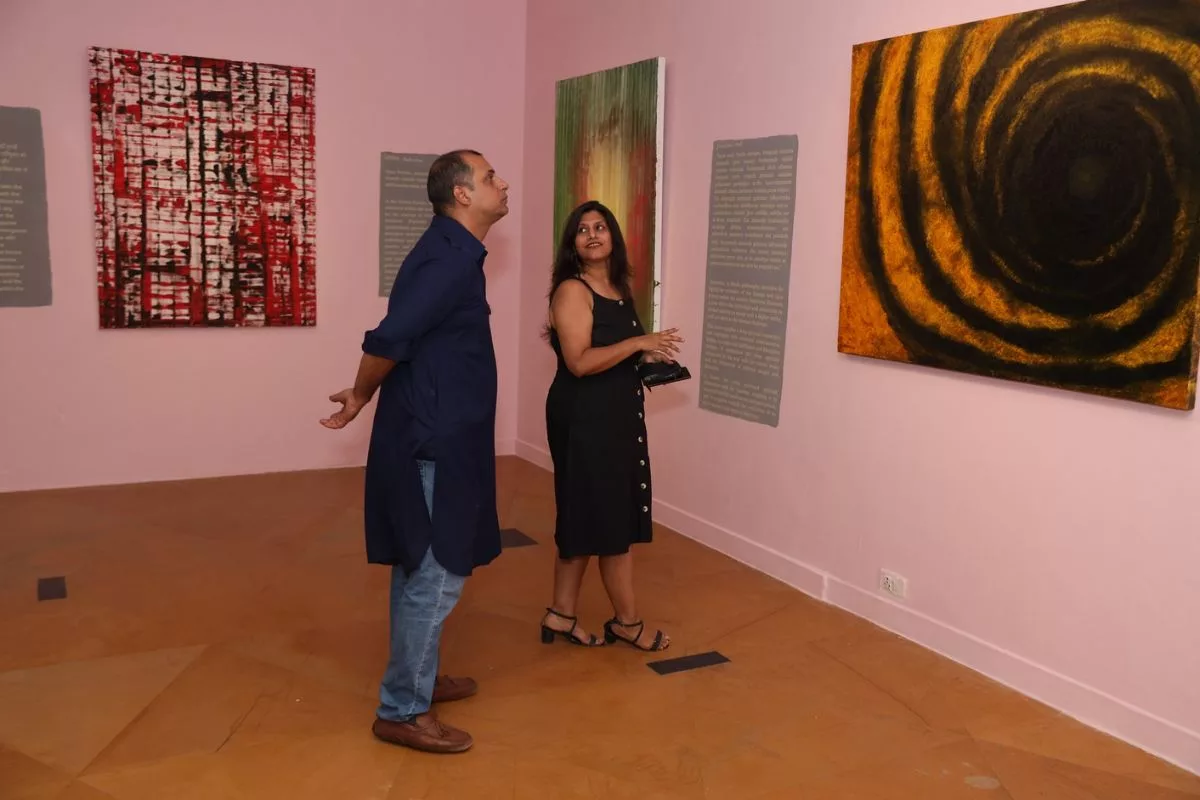
In workshops and collaborative forums, Divyaman emphasises process over product. His unorthodox use of bare hands and found textures becomes an entry point for discussions on breaking hierarchies of technique, democratised creativity, and recovering an elemental bond between human body, natural material, and artistic expression. For international audiences, his practice offers a bridge — between India’s ancient traditions of cosmic and spiritual imagination, and the global search for new languages of abstraction that speak to humanity’s shared future.
Divyaman Singh’s oeuvre ultimately occupies a vital space in the contemporary art world: it is at once personal and universal, local and global, intimate and expansive. His work reminds us that abstraction, when rooted in lived experience and spiritual inquiry, transcends geography and speaks across cultures. His canvases are not just painted surfaces, but invitations — to pause, reflect, and rediscover the interconnectedness of existence.
Paintings